
Swiss neutrality: when strategic erosion serves the military-industrial complex
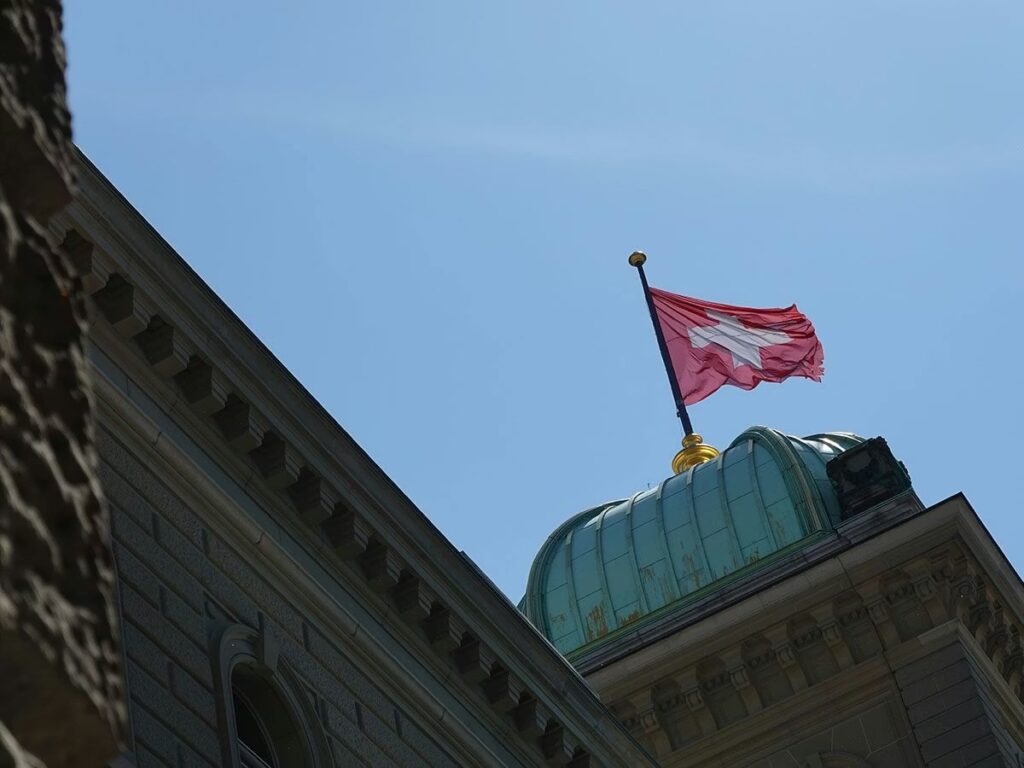
What if, under the guise of «modernising» our security, we were actually weakening one of Switzerland's fundamental pillars? The Security Policy Strategy 2026 opens up a crucial debate: that of the gradual erosion of our neutrality. Behind the technocratic words lies a silent transformation of Swiss doctrine, in which [...]
EU framework agreement: Brussels' legal trap

Behind the reassuring words of «stabilisation of relations» and «modernisation of bilateral relations» lies in reality a major institutional change for Switzerland. The framework agreement with the European Union would not be a simple technical adjustment: it would introduce a mechanism of legal alignment whereby rules decided in Brussels would gradually be imposed on [...].
Switzerland-EU agreements: the irreversibility of a surrender of sovereignty
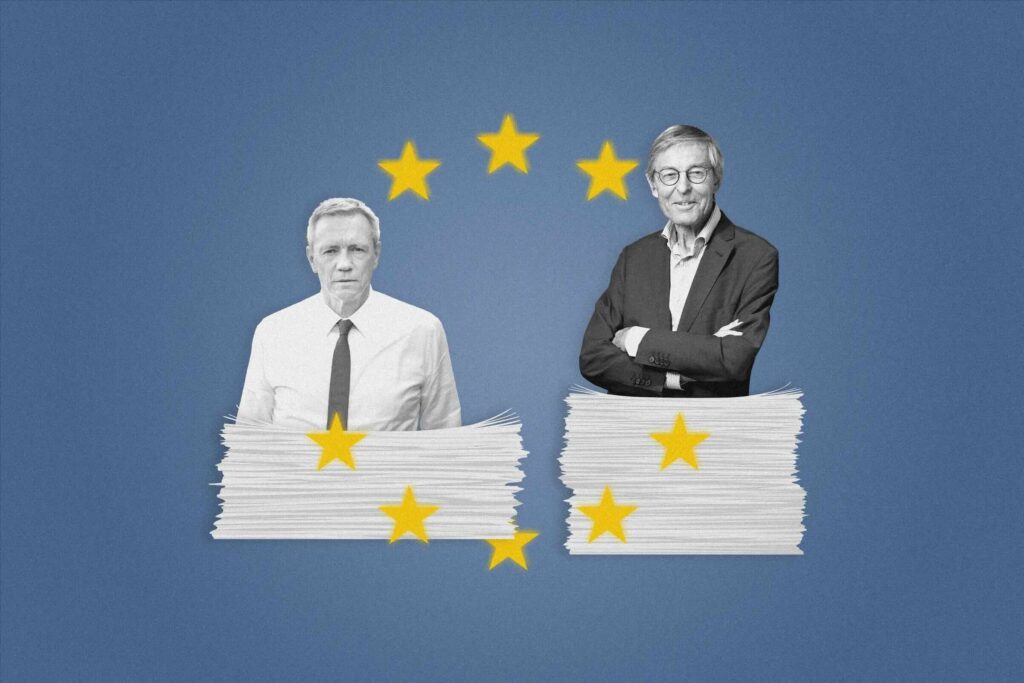
What if the issue was no longer economic, but institutional? In an interview published in the NZZ, former federal lawyer Paul Richli issues a warning that has rarely been put so clearly: the adoption of European law and the new institutional agreements with the EU could profoundly transform Switzerland's political functioning - to the point of [...].
Negative interest rates: when the SNB taxes savings to defend the euro
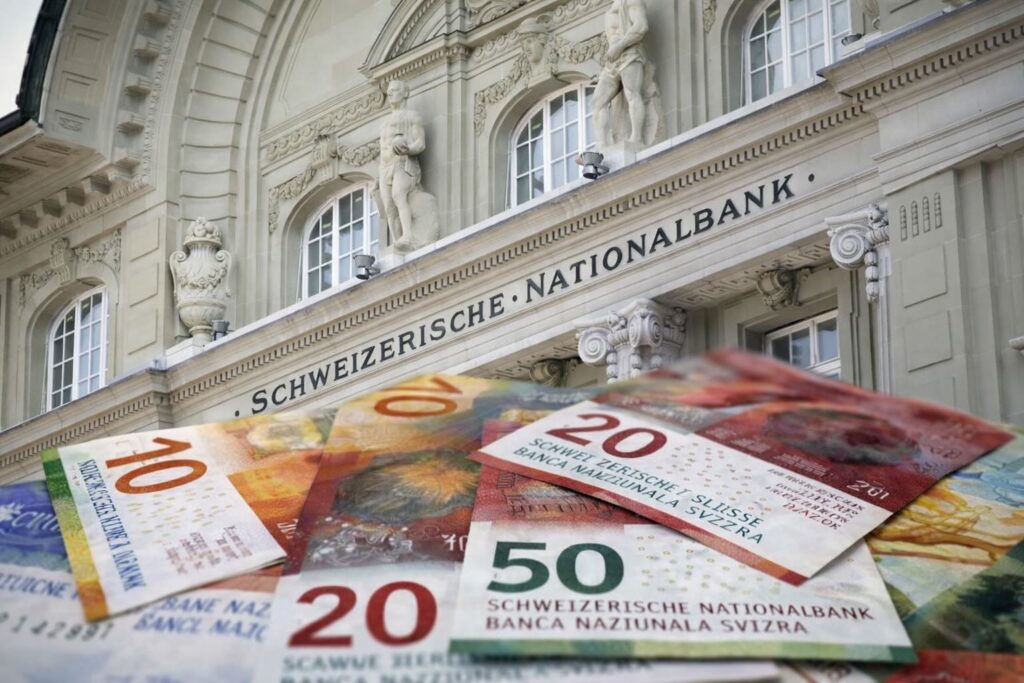
What if the real problem was not the strength of the franc... but the fear of taking it on? Every time the euro falters, the same thing happens: intervention, implicit threats, pressure on the national currency. Behind the technocratic vocabulary lies a simple reality - Swiss savings are about to be penalised again in order to correct [...]
Switzerland-EU: when bureaucracy becomes a systemic risk

There's nothing new in Brussels - apart from the acceleration. On 3 February 2026, the German daily Die Welt revealed a study by the industry organisation Gesamtmetall: in 2025, the European Commission had introduced 1,456 legislative acts, the most since 2010. Twenty-one directives, 102 regulations, 137 delegated acts and 1,196 implementing acts. Four new texts [...]
Switzerland-EU: importing European bureaucracy to «stabilise» for a few months?
What the German press has revealed should be a wake-up call for Switzerland. While Brussels was promising to reduce bureaucracy, the production of standards reached an all-time high. If even German industry is denouncing a technocratic drift and growing legal uncertainty, why would Berne consider anchoring our law more firmly in this mechanism? Before any irreversible decisions are taken, it [...]
Switzerland-EU: not worth the risk

For months, the debate has been presented as an economic no-brainer: without the new agreements with the EU, Switzerland would be taking a major risk to its prosperity. But what do the figures and independent analyses really say? When two leading Swiss economists come to opposing conclusions, one thing becomes clear [...].
Switzerland-EU: the Swiss participatory model on borrowed time?
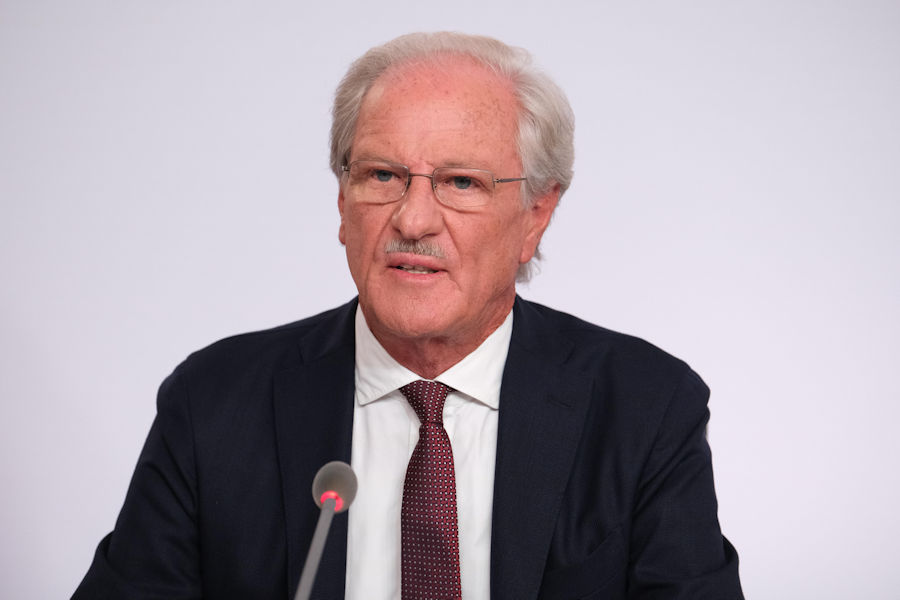
As the debate on the Swiss-EU integration agreements intensifies, a voice from Europe's highest industrial level is disturbing the prevailing consensus. In an interview with Die Weltwoche (15 February 2026), Wolfgang Reitzle - an experienced executive with a thorough knowledge of the economic and legal structures of the European Union - warns against a [...].
EU-Switzerland framework agreement: economic capitulation disguised as pragmatism
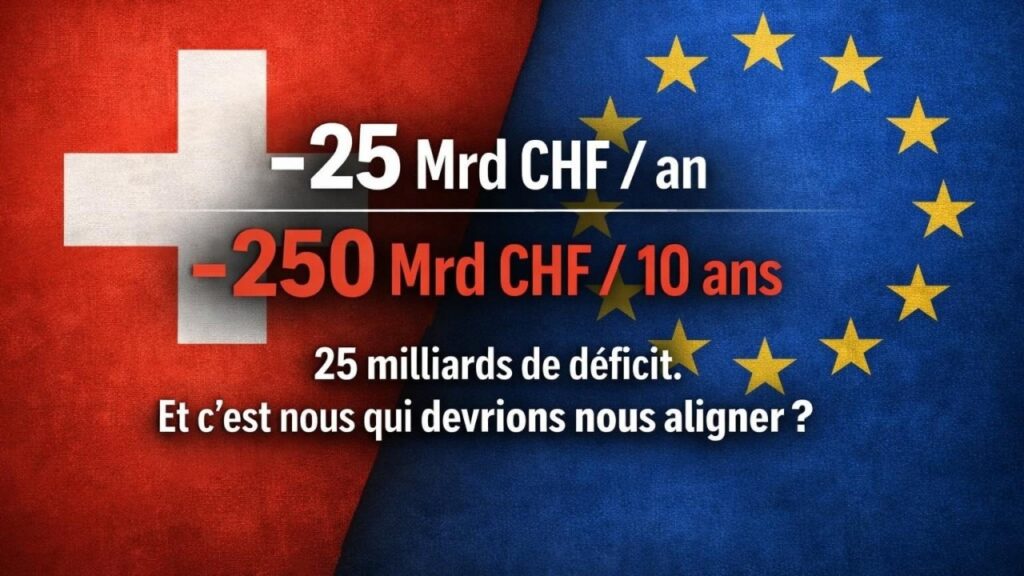
We are being asked to give up our legal sovereignty for... non-existent economic gain. Under the reassuring label of ’bilateral agreements«, the EU is proposing that Switzerland unilaterally align itself with its standards, even though we have an annual trade deficit of 25 billion with Brussels. In other words: we are customers - yet we are being asked to [...]
When Switzerland starts copying those in decline
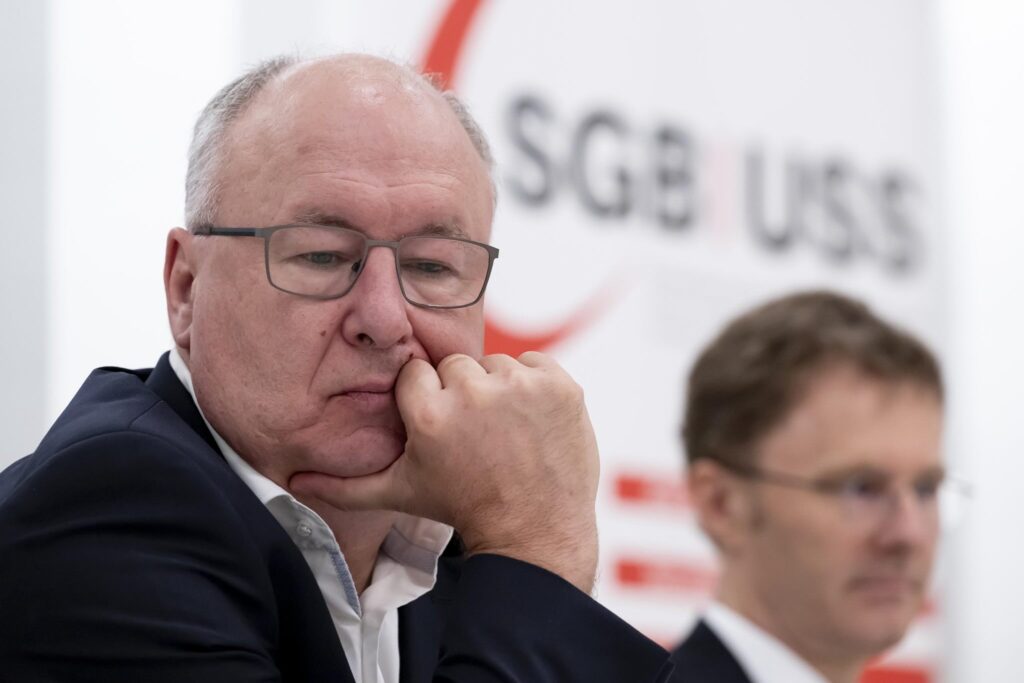
Switzerland has never been rich by chance. It became rich because it was able to preserve a rare balance between openness and control, flexibility and security. Today, under the guise of «wage protection», it is this very foundation that is being undermined. Behind a technical measure on redundancies lies a much more profound transformation [...].