
The dollar empire is shaking... and the American illusion with it
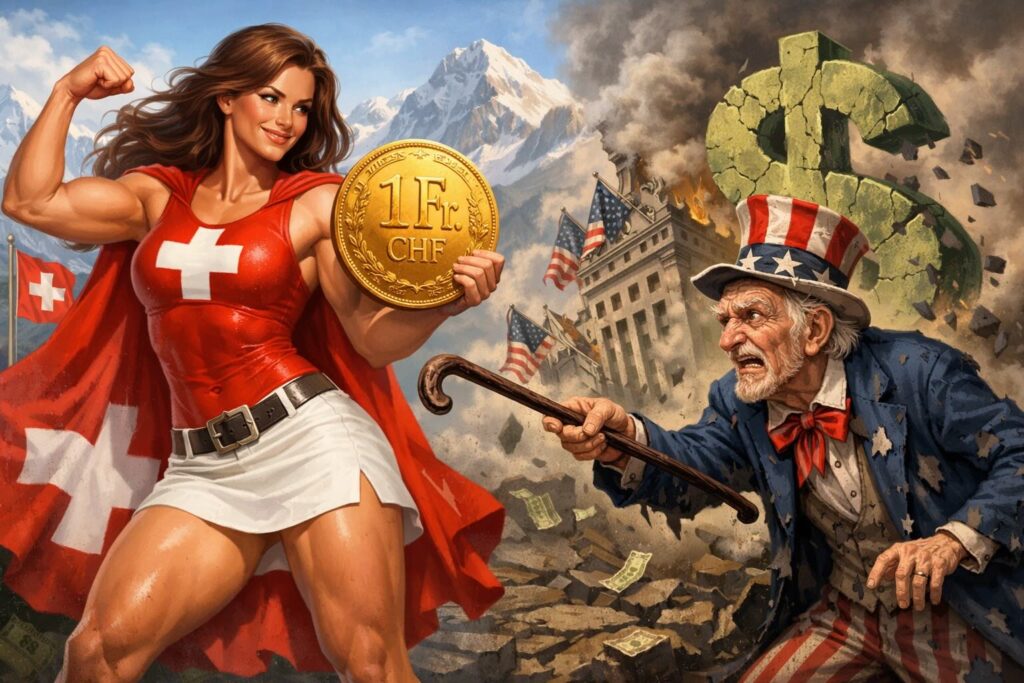
While Washington is playing poker with the global economy, the rest of the world is beginning to look at its cards. Tariffs declared illegal by the Supreme Court, growing military tensions in the Middle East, colossal debt financed by money printing: behind the image of a superpower lies that of a weakened monetary empire. For Switzerland, [...]
Switzerland at 10 million: when media propaganda replaces democratic debate
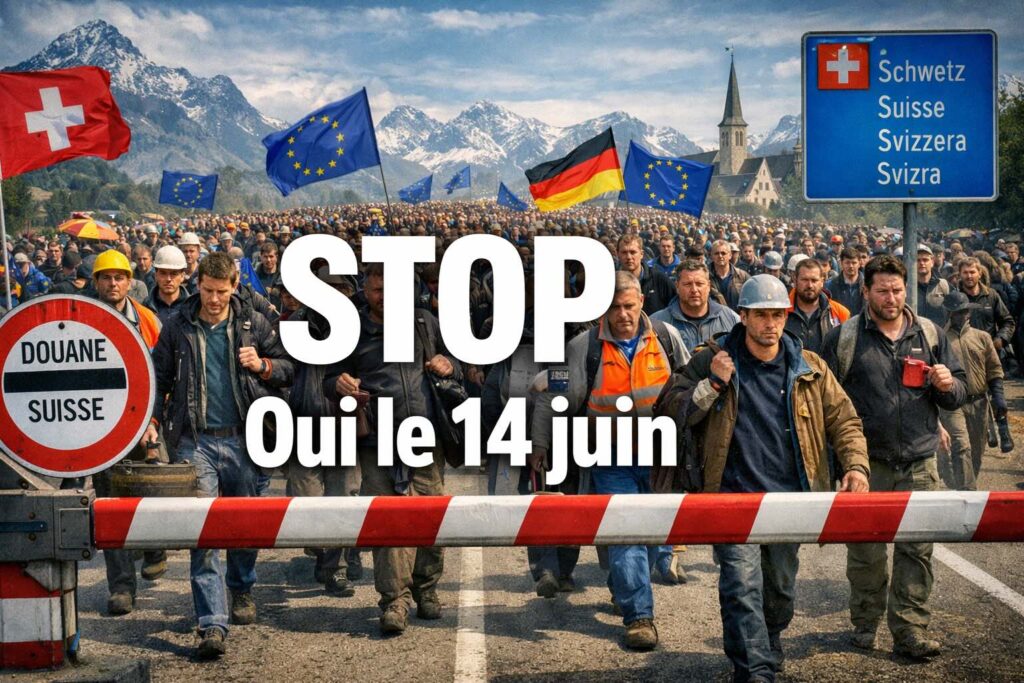
What if the real problem was not the «No Switzerland for 10 million» initiative, but the stubborn refusal of the political and media system to look reality in the face? Behind the alarmist slogans, the accusations of a ’chaos initiative« and the facile caricatures, a well-oiled machine is at work: discrediting [...].
Nationalise the banks? No. We need to nationalise the currency debate.
After Credit Suisse, some people now want the Confederation to be able to nationalise banks in the event of a crisis. An attractive idea... but deeply misleading. Because the problem is not bank ownership - it's the monetary system itself: money creation through credit, fractional reserve banking and property bubbles fuelled by a manipulated franc. Before [...]
Framework agreement with the EU: when “studies” become a propaganda tool
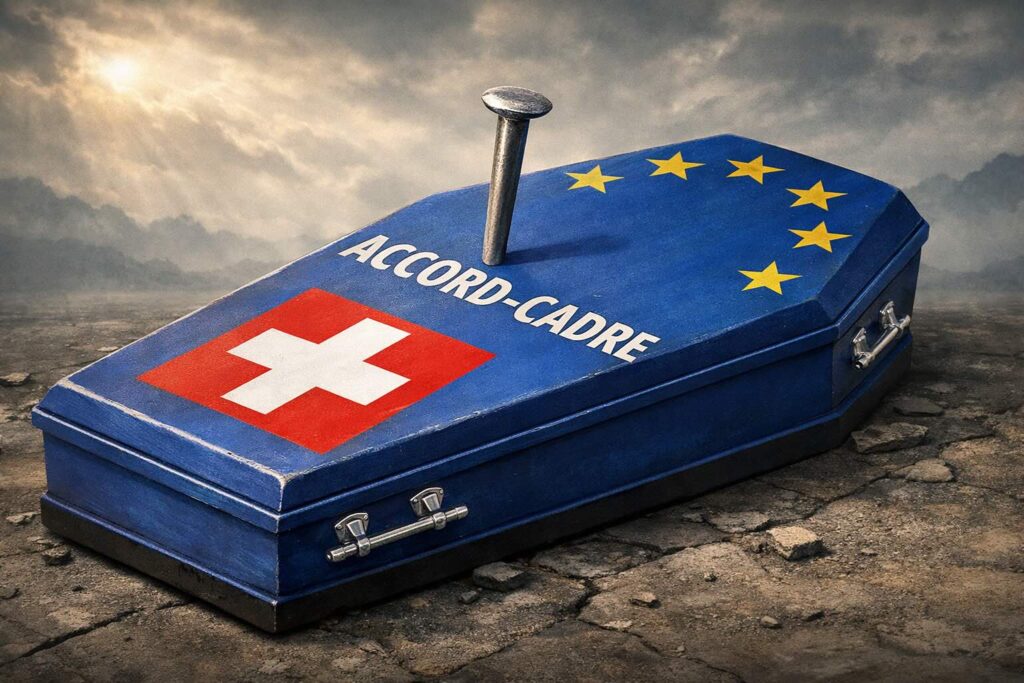
What if we were being sold the idea of giving up part of our sovereignty on the basis of biased studies? For years, the Federal Council and certain business circles have been conjuring up catastrophic scenarios to push Switzerland towards an institutional agreement with the European Union. But behind the alarmist figures and opaque economic models lurks a [...]
Swiss neutrality: when strategic erosion serves the military-industrial complex
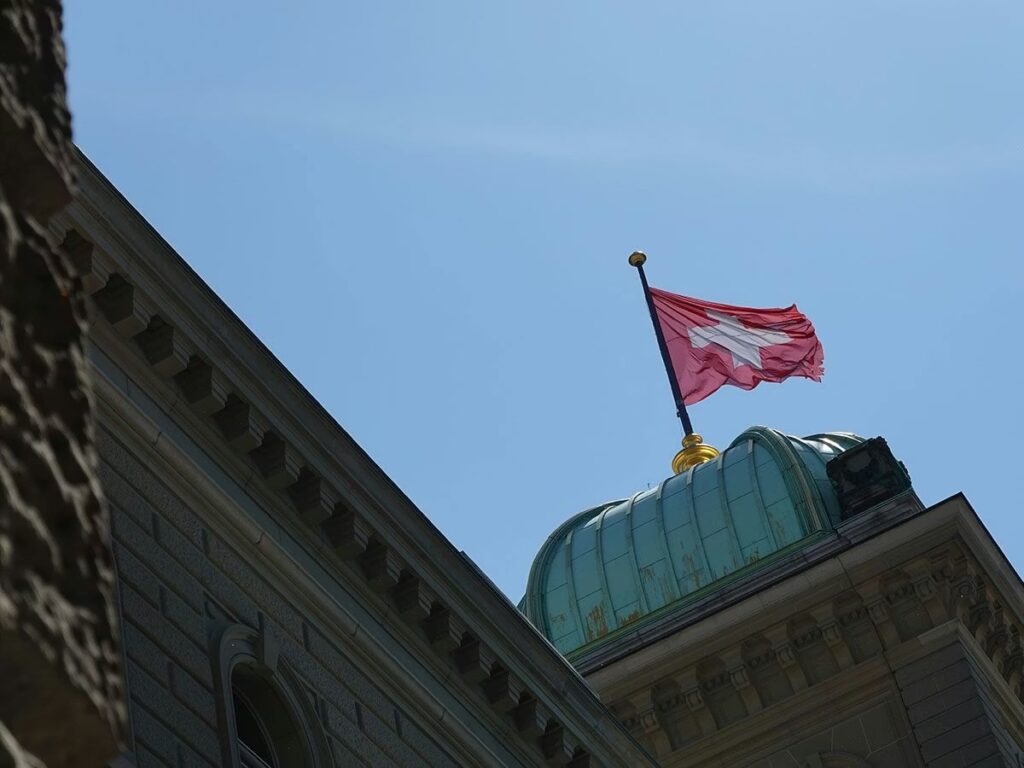
What if, under the guise of «modernising» our security, we were actually weakening one of Switzerland's fundamental pillars? The Security Policy Strategy 2026 opens up a crucial debate: that of the gradual erosion of our neutrality. Behind the technocratic words lies a silent transformation of Swiss doctrine, in which [...]
Direct democracy under influence? The votes on 8 March raise some fundamental questions
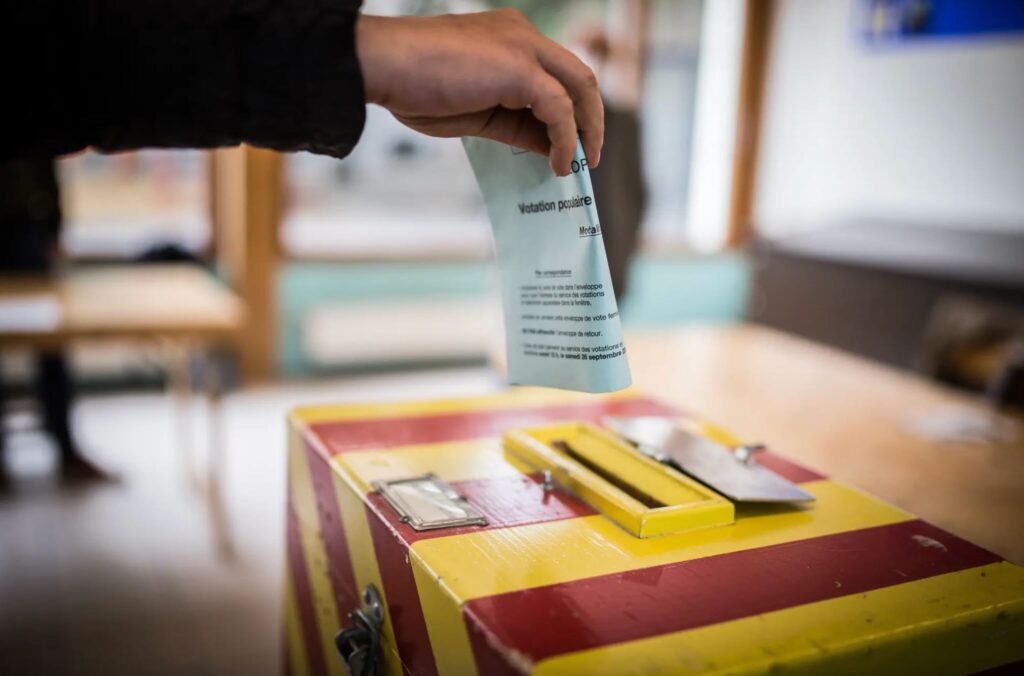
The votes on 8 March reveal a disturbing paradox: while Switzerland claims to be one of the most successful models of direct democracy in the world, some of the results show the extent to which the political wording, counter-projects and institutional semantics can shape people's perceptions. Between rejection of initiatives, massive acceptance of counter-projects [...]
EU framework agreement: Brussels' legal trap
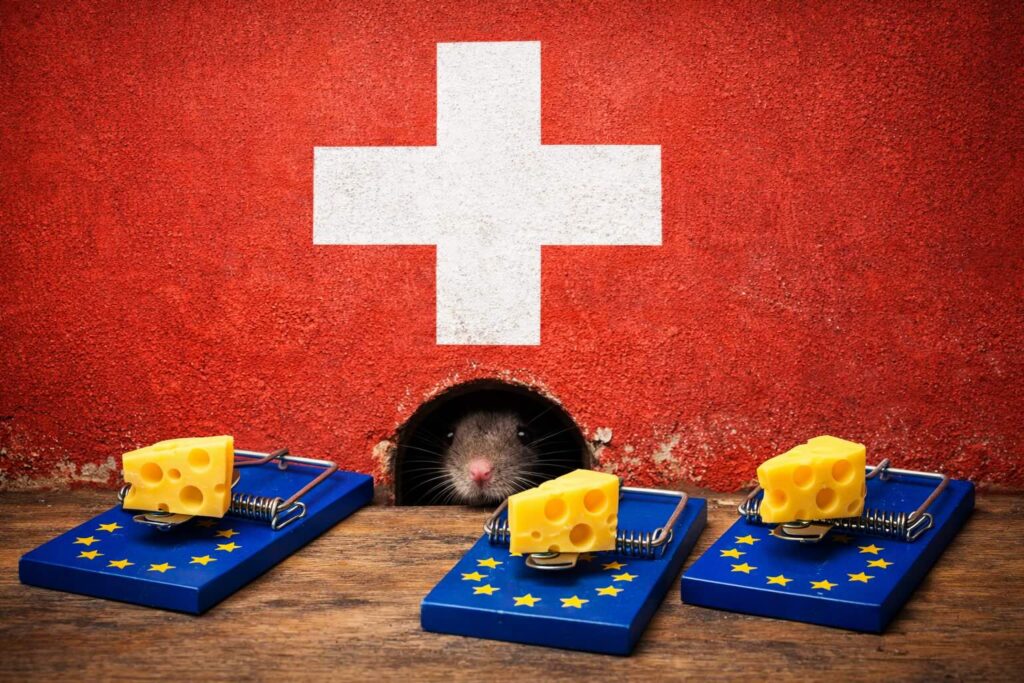
Behind the reassuring words of «stabilisation of relations» and «modernisation of bilateral relations» lies in reality a major institutional change for Switzerland. The framework agreement with the European Union would not be a simple technical adjustment: it would introduce a mechanism of legal alignment whereby rules decided in Brussels would gradually be imposed on [...].
Switzerland-EU agreements: the irreversibility of a surrender of sovereignty
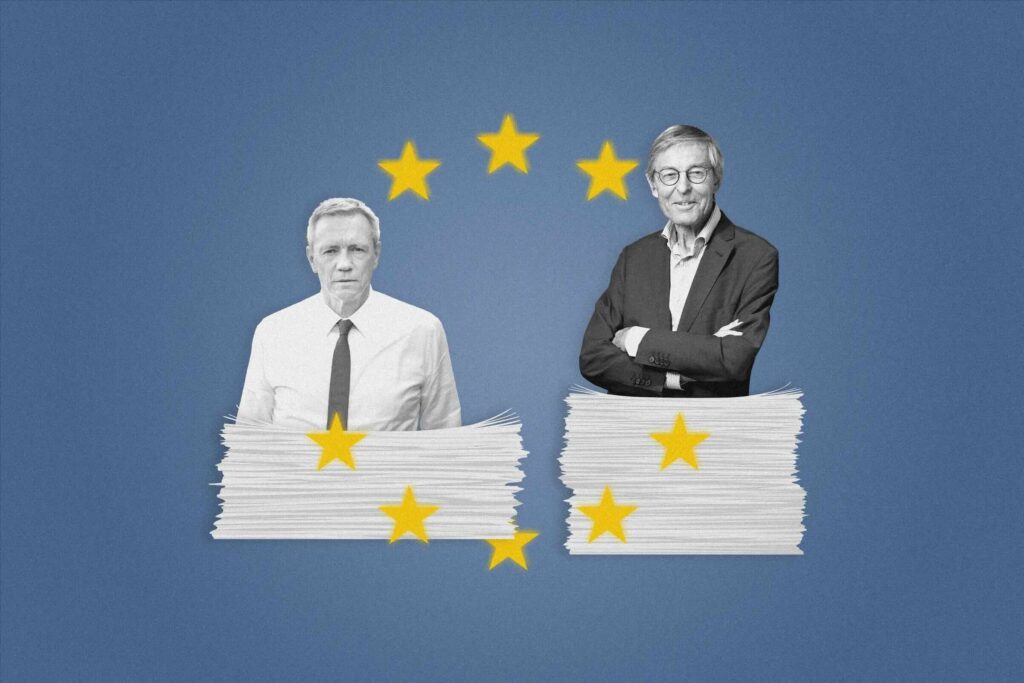
What if the issue was no longer economic, but institutional? In an interview published in the NZZ, former federal lawyer Paul Richli issues a warning that has rarely been put so clearly: the adoption of European law and the new institutional agreements with the EU could profoundly transform Switzerland's political functioning - to the point of [...].
Negative interest rates: when the SNB taxes savings to defend the euro
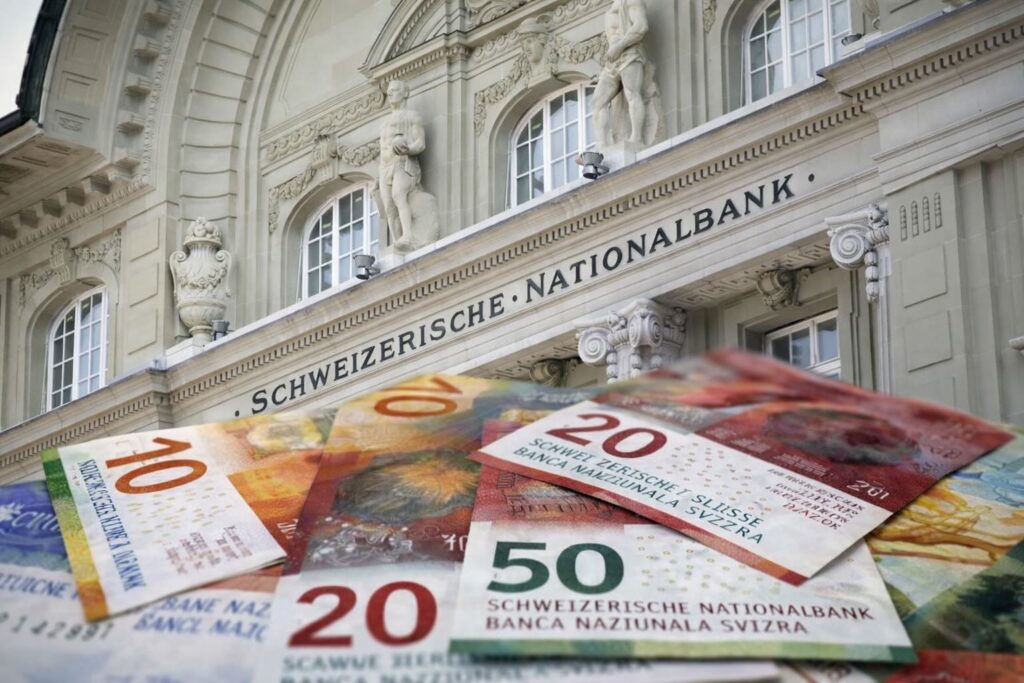
What if the real problem was not the strength of the franc... but the fear of taking it on? Every time the euro falters, the same thing happens: intervention, implicit threats, pressure on the national currency. Behind the technocratic vocabulary lies a simple reality - Swiss savings are about to be penalised again in order to correct [...]
Neutrality cannot be financed on credit
While missiles fly across the skies of the Middle East, hundreds of billions of Swiss reserves continue to feed the American financial heartland. Technical coincidence... or strategic contradiction? If neutrality is the pillar of our prosperity, then one question must be asked: is our national balance sheet still in line with our principles? This [...]